Cart
Your cart is empty
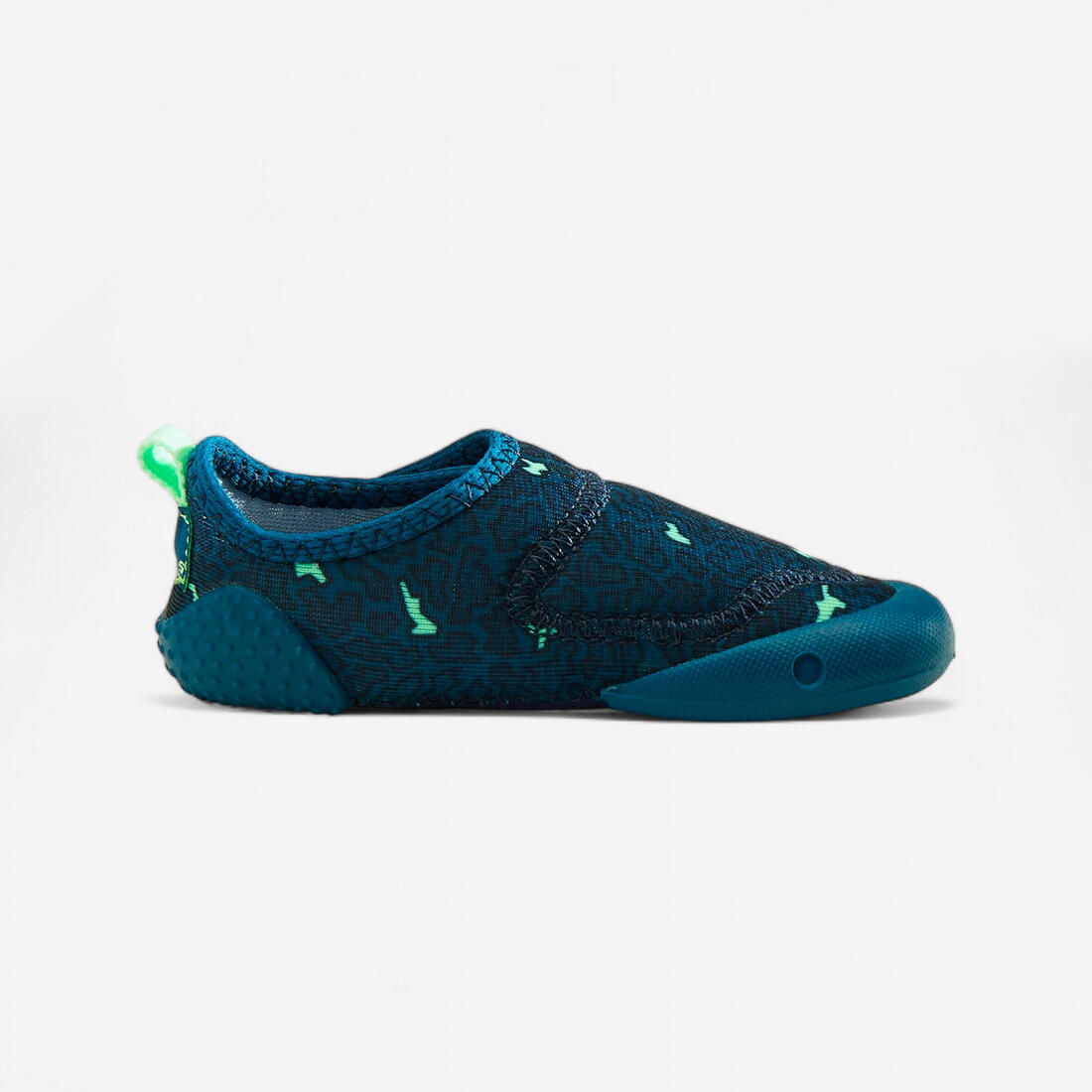
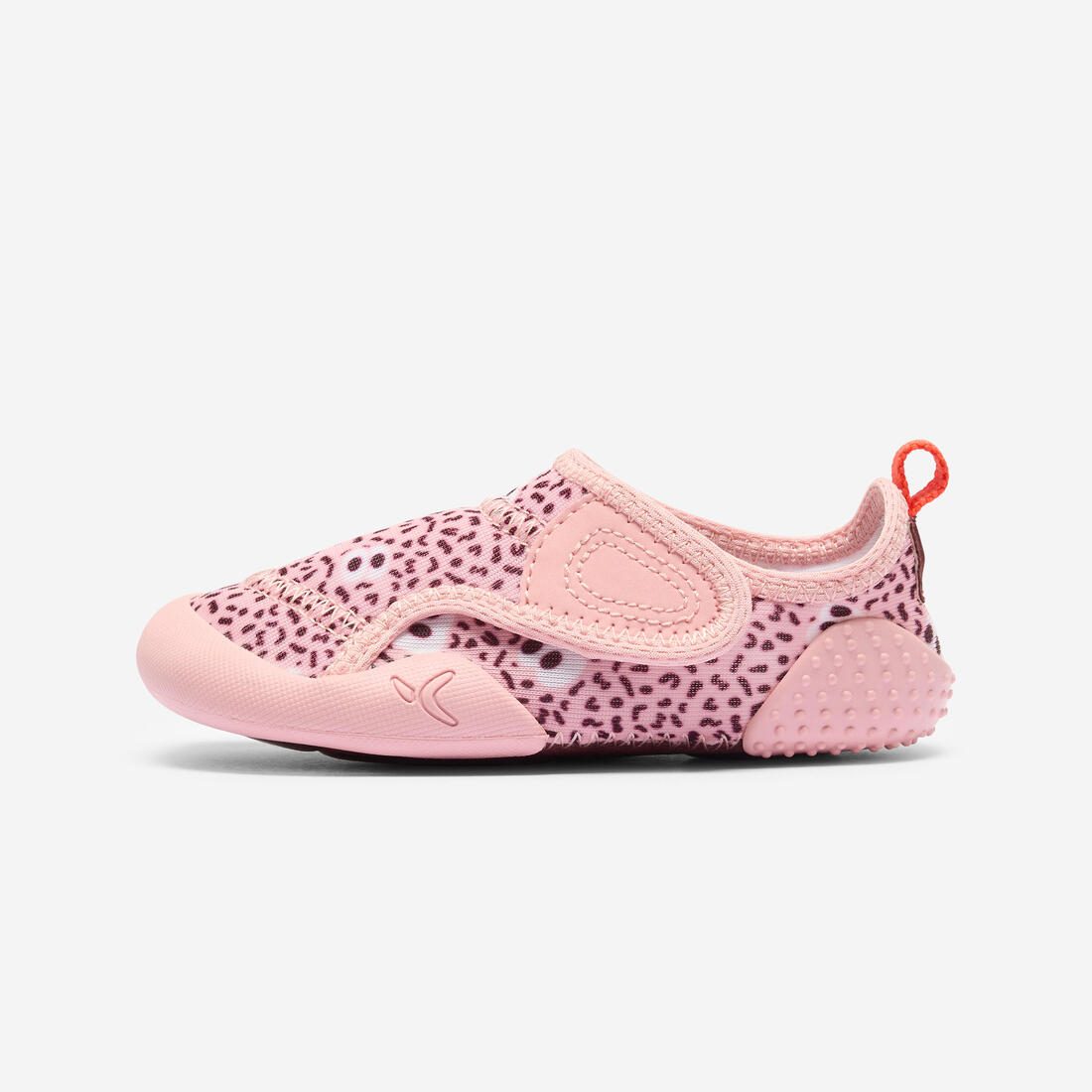
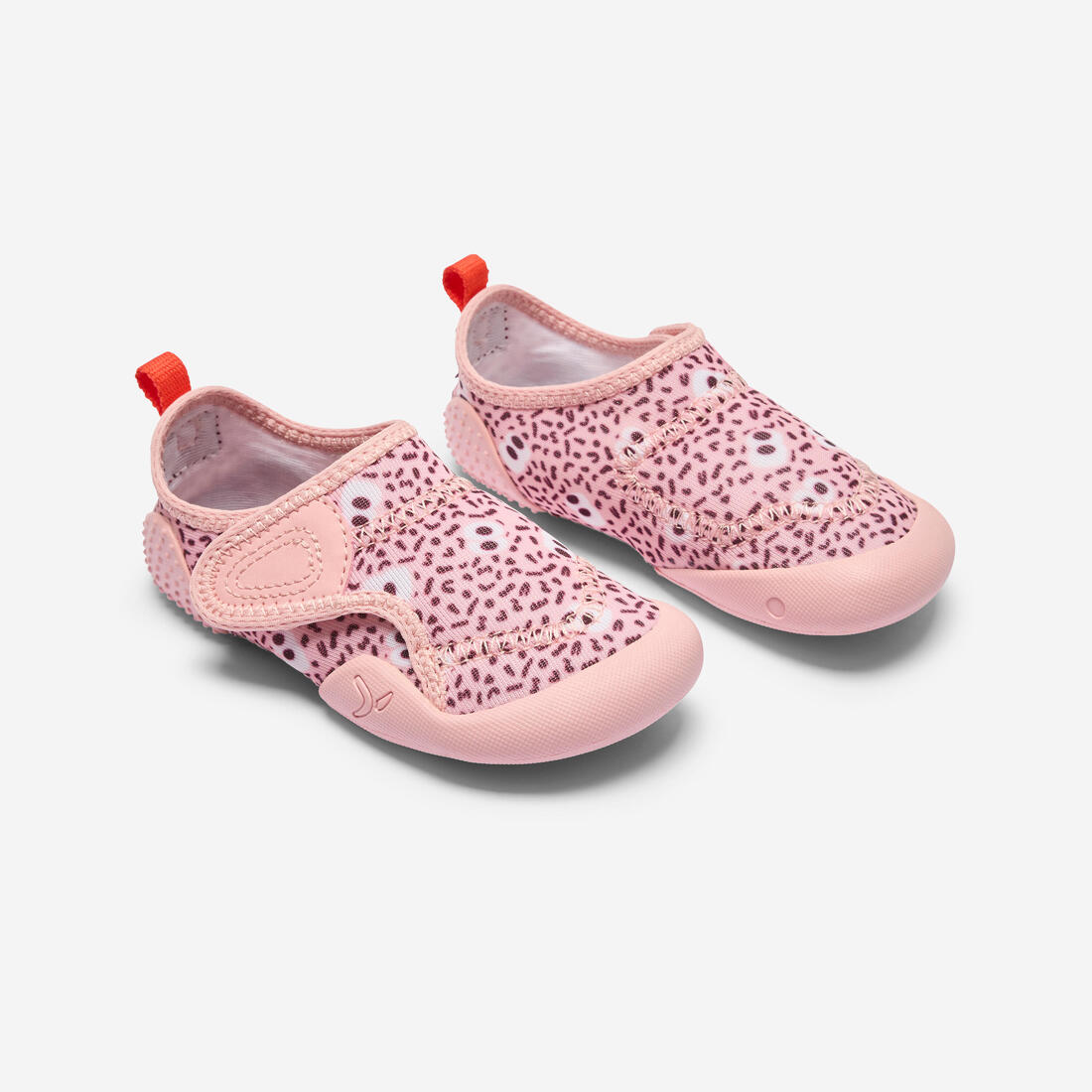
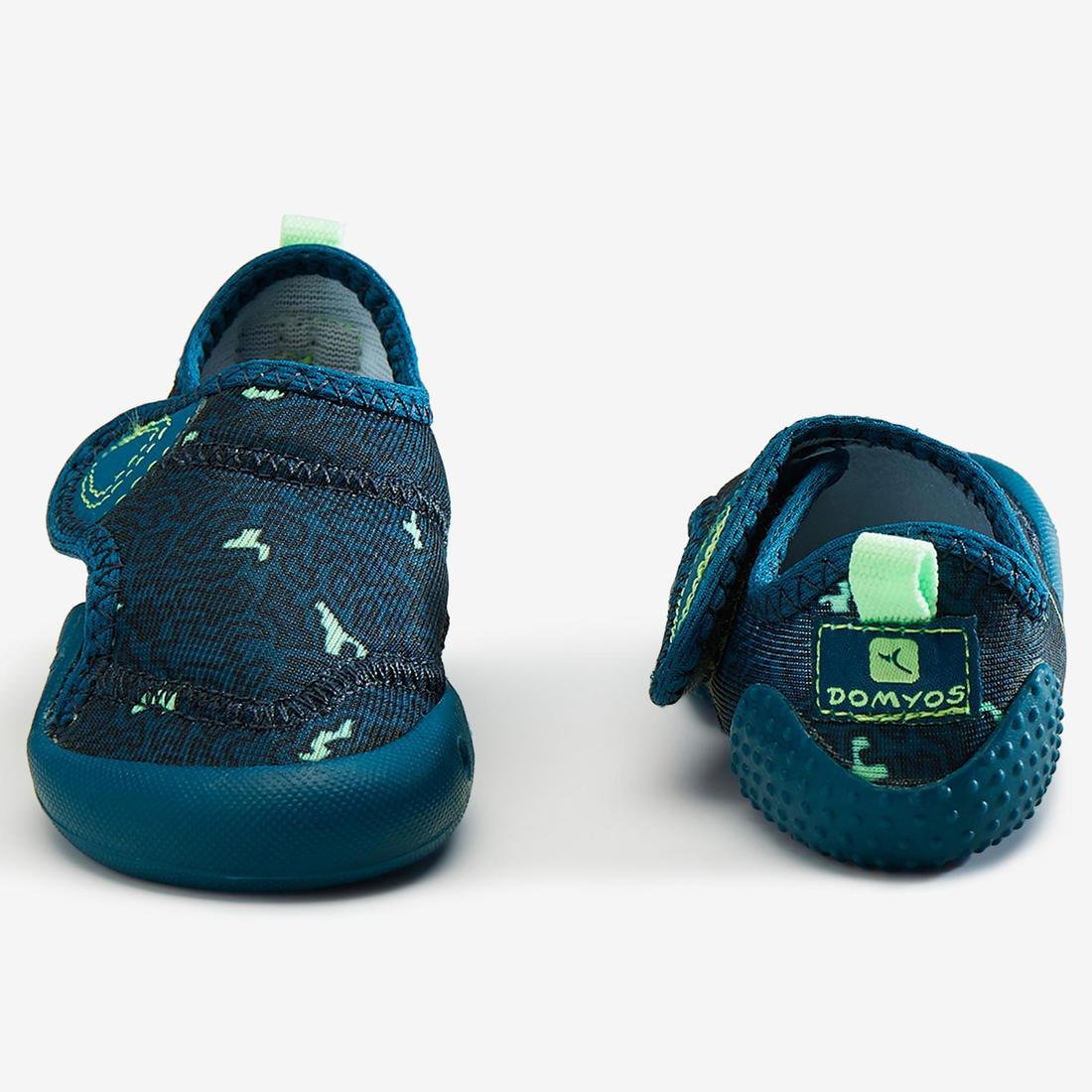
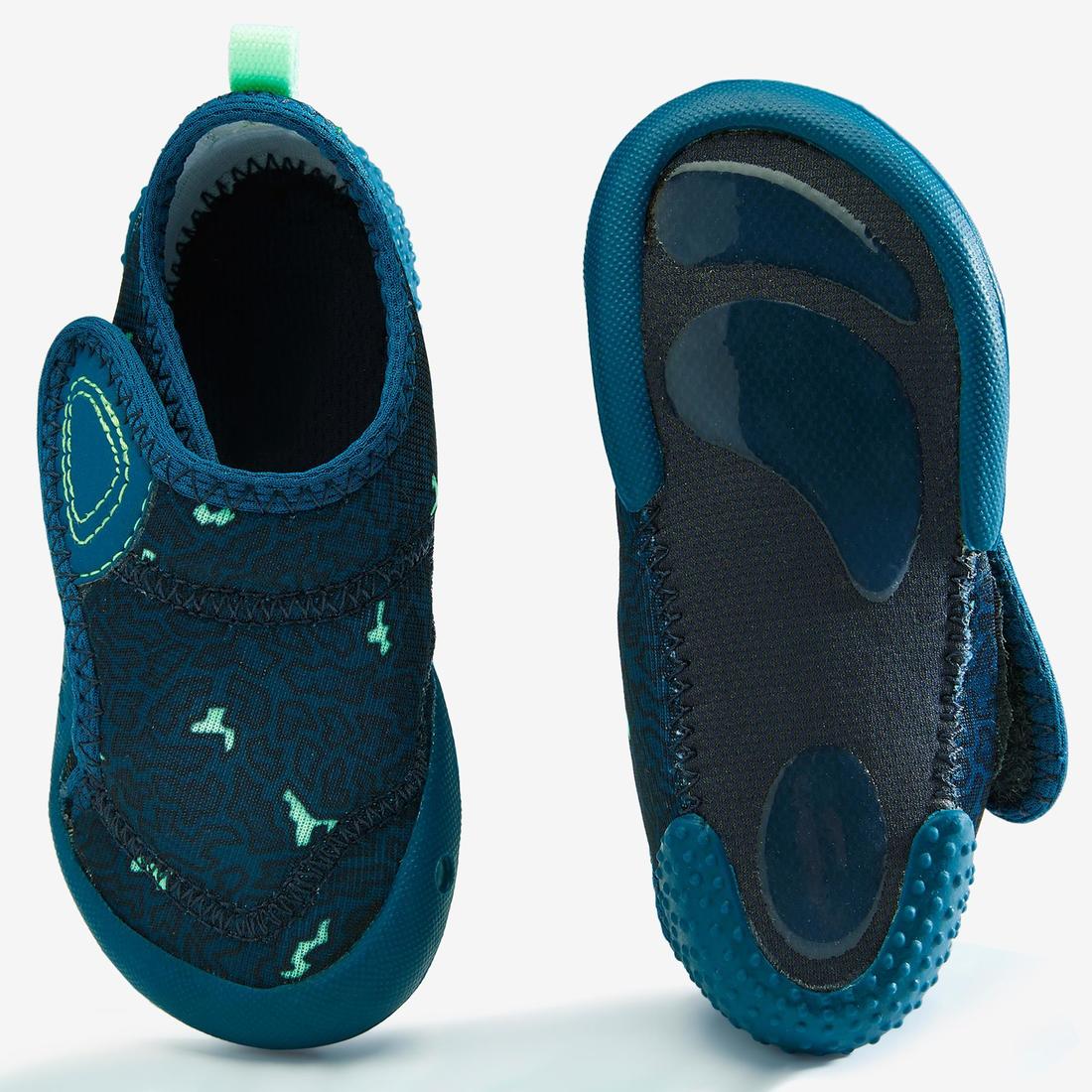
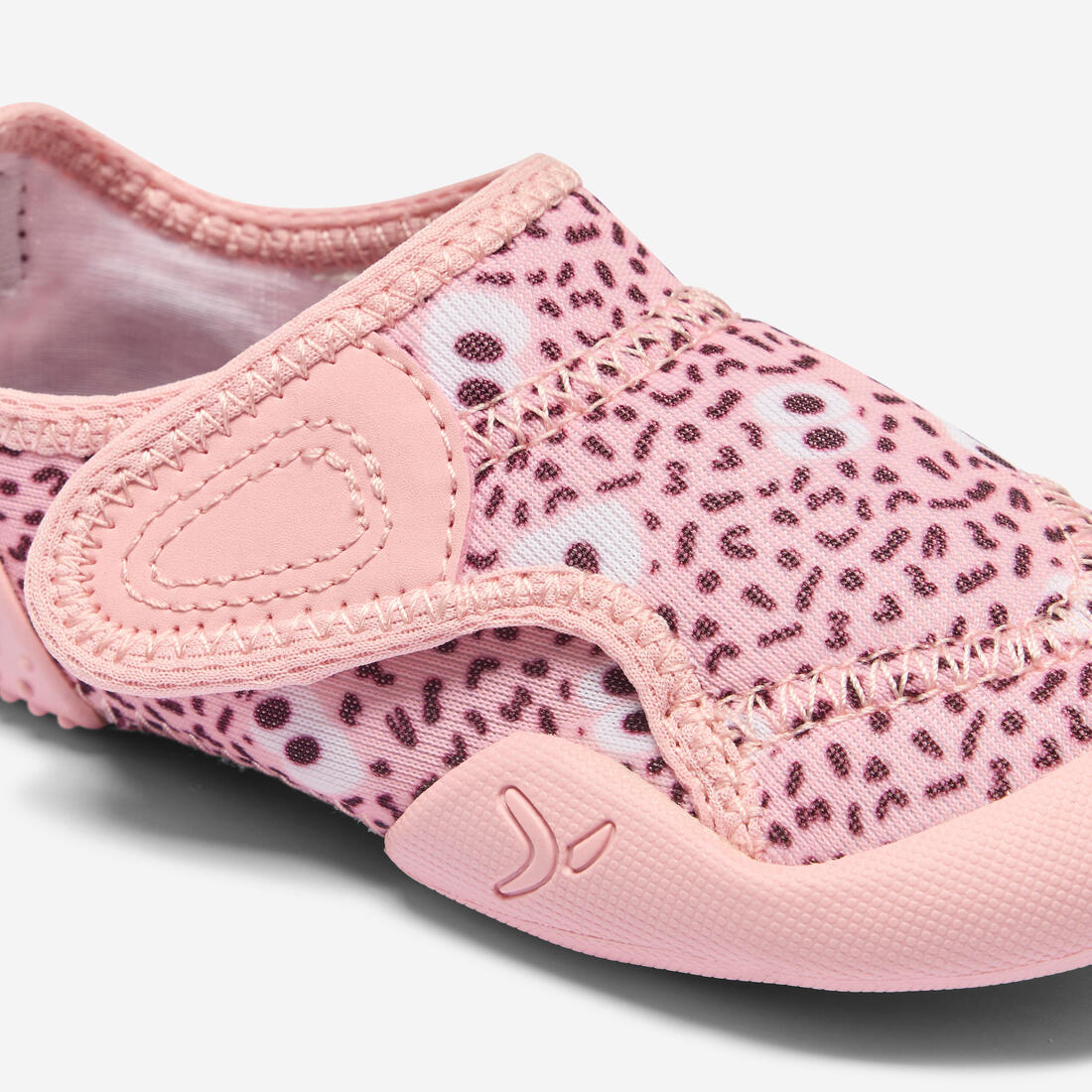
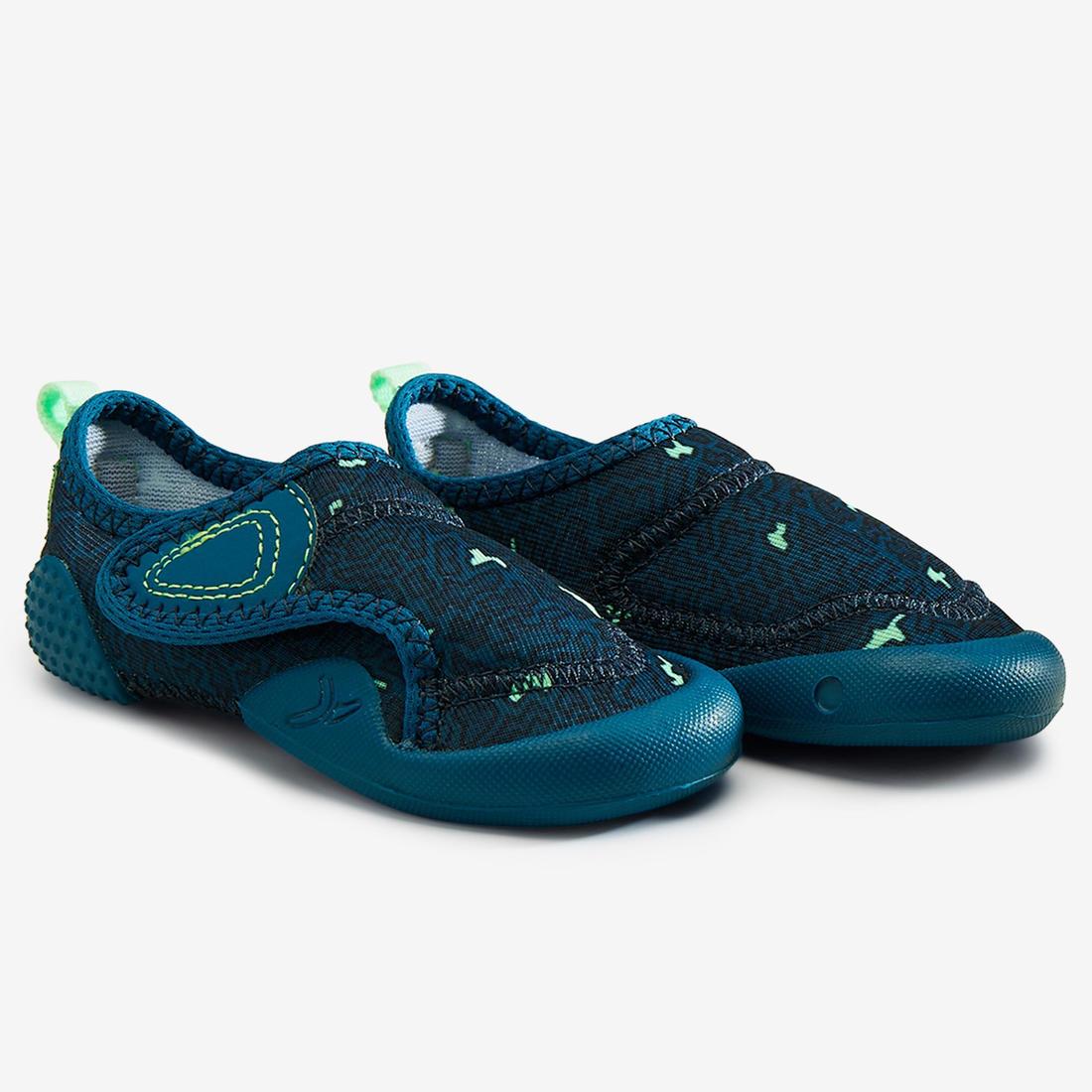
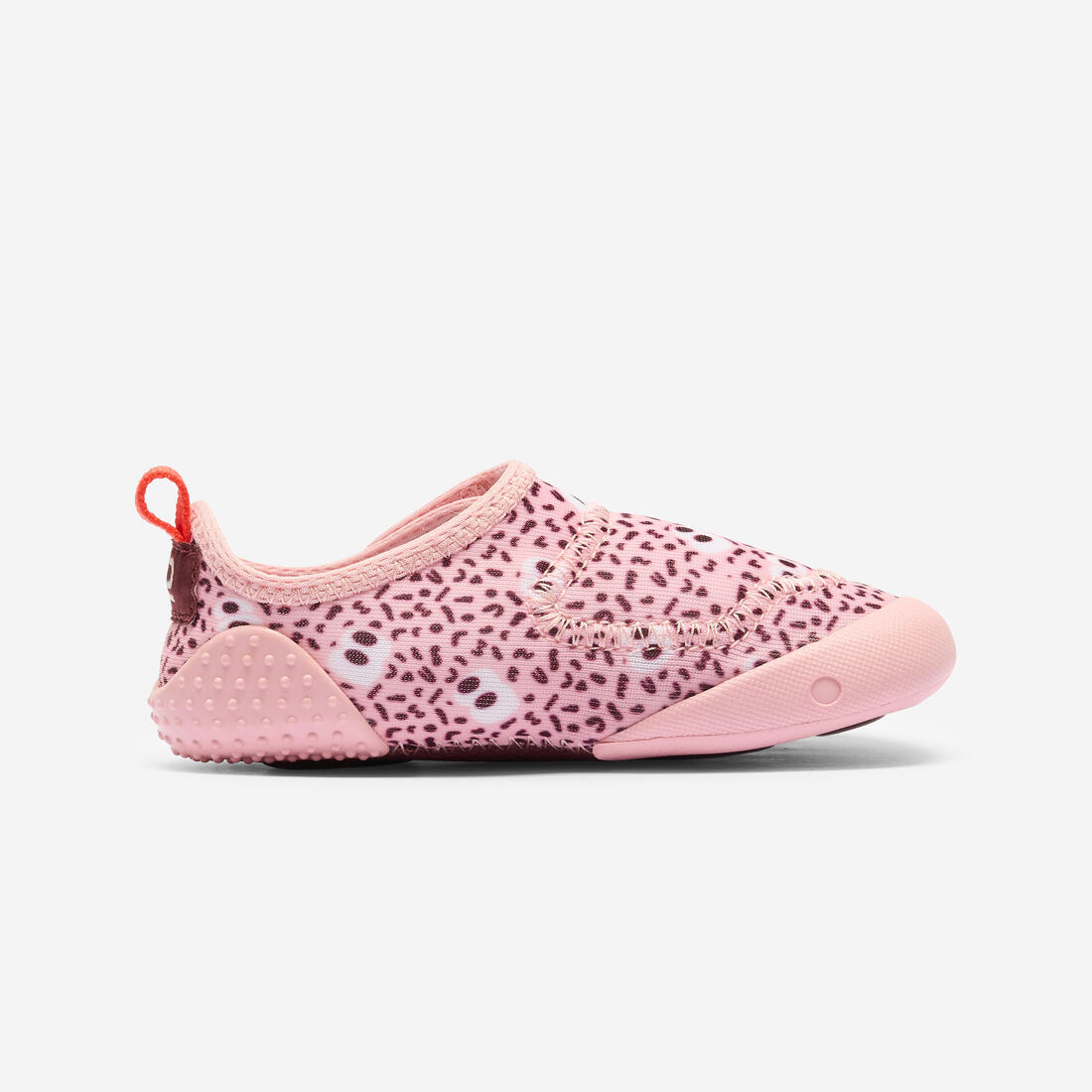
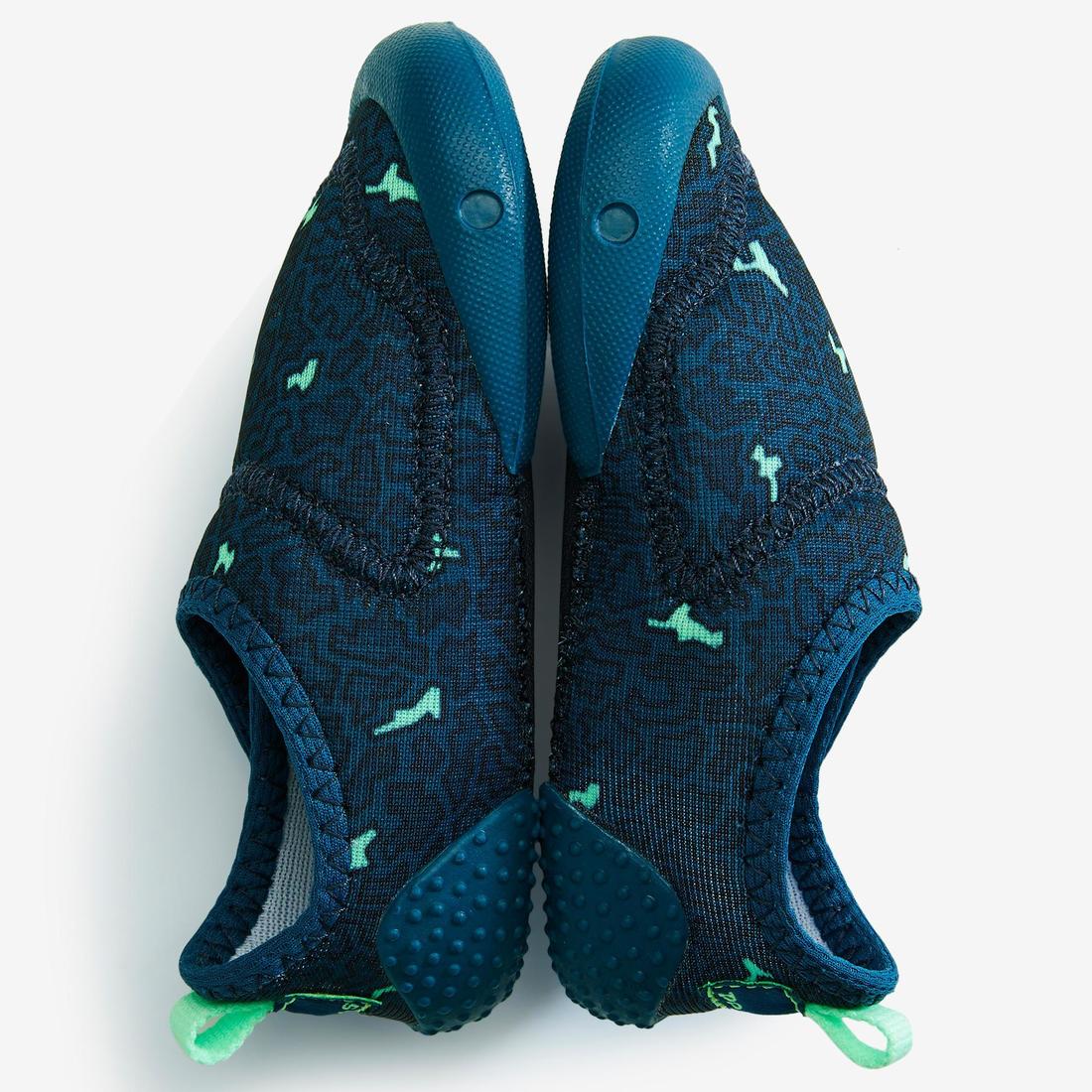
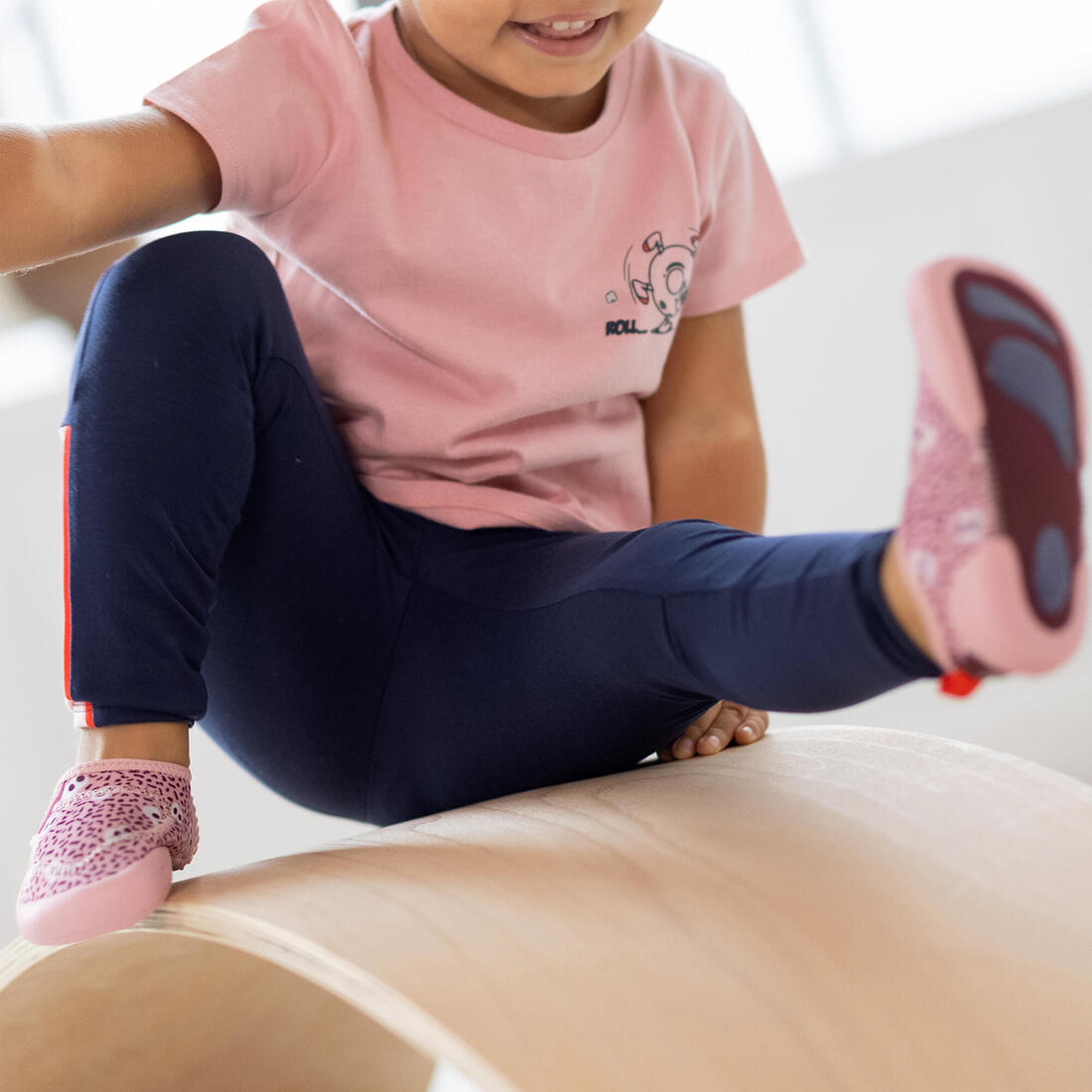
The range's innovative bootees, approved by a physiotherapist. Ideal for your baby's first steps and every adventure after.
An innovation approved by a physiotherapist! The feeling of being barefoot helps children develop balance, motor skills and coordination.
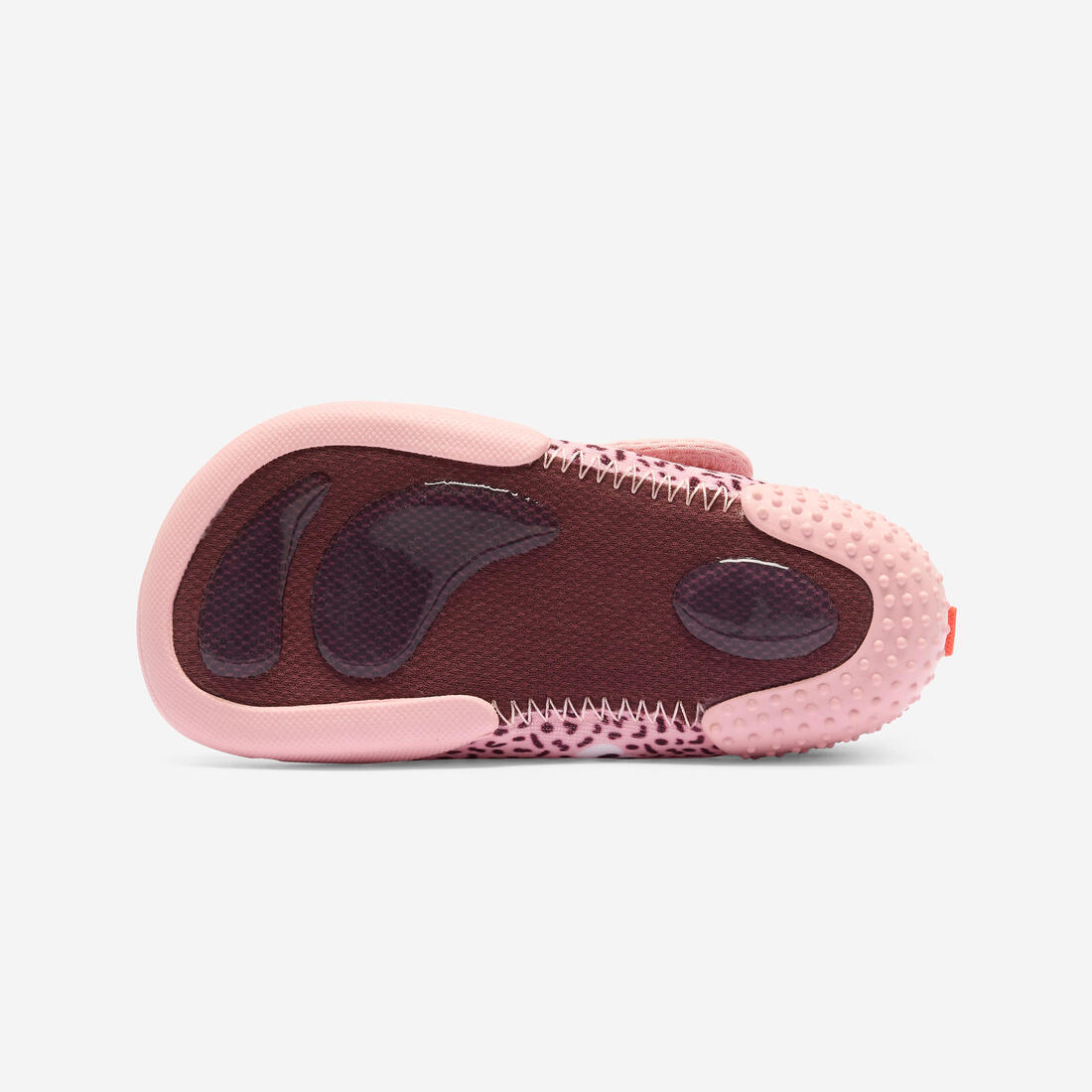
Better traction helps improve balance and movement.
Left/right foot markers, rip-tab fastener and wide opening
Material lets air circulate freely for added comfort.
Ultra-flexible sole to follow all of your foot\'s movements.
Good traction thanks to the non-slip silicone sole.
Sizes Guide
| Size | Chest (in) | Waist (in) |
|---|---|---|
| XS | 33.1 – 34.3 | 27.6 – 28.7 |
| S | 34.6 – 35.8 | 29.1 – 30.3 |
| M | 36.2 – 37.4 | 30.7 – 31.9 |
| L | 37.8 – 40.6 | 32.3 – 35.0 |
| XL | 40.9 – 44.5 | 35.4 – 39.4 |
| 2XL | 44.9 – 48.4 | 39.8 – 43.7 |
| 3XL | 48.8 – 53.1 | 44.1 – 48.4 |
| Size | Low hip (in) | Waist (in) |
|---|---|---|
| XS | 31.5 – 33.5 | 26.0 – 28.0 |
| S | 33.9 – 35.8 | 28.3 – 30.3 |
| M | 36.2 – 38.2 | 30.7 – 32.7 |
| L | 38.6 – 40.9 | 33.1 – 35.0 |
| XL | 41.3 – 43.7 | 35.4 – 38.2 |
| 2XL | 44.1 – 46.5 | 38.6 – 41.3 |
| 3XL | 46.9 – 49.6 | 41.7 – 44.5 |
Head: Wrap a tape measure around your head, above your eyebrows. Make sure it is parallel to the floor when you're looking straight ahead.
Chest: Wrap a tape measure around your back and measure the fullest part of your chest. Make sure it's straight and parallel to the floor. Look straight ahead, tighten the tape and breathe normally.
Waist: Wrap a tape measure around the narrowest part of your waist, above your belly button. Raise your head, tighten the tape and breathe normally.
Hand: Hold a tape measure at the bend of the thumb. Wrap around your palm.
| Size | Low hip (in) | Waist (in) |
|---|---|---|
| 2XS | 31.5 – 32.7 | 22.8 – 24.4 |
| XS | 33.1 – 34.3 | 24.4 – 25.6 |
| S | 34.6 – 35.8 | 26.0 – 27.2 |
| M | 36.2 – 37.4 | 27.6 – 28.7 |
| L | 37.8 – 40.6 | 29.1 – 33.1 |
| XL | 40.9 – 44.5 | 33.5 – 37.8 |
| 2XL | 44.9 – 48.4 | 38.2 – 42.5 |
| Size | Low hip (in) | Waist (in) |
|---|---|---|
| 2XS | 31.1 – 33.5 | 23.6 – 24.8 |
| XS | 33.5 – 35.4 | 25.2 – 26.8 |
| S | 35.4 – 37.8 | 27.2 – 28.7 |
| M | 37.8 – 40.2 | 29.1 – 31.1 |
| L | 40.2 – 42.5 | 31.5 – 33.9 |
| XL | 42.5 – 44.9 | 34.3 – 36.6 |
| 2XL | 44.9 – 47.2 | 37.0 – 39.4 |
| Size | Bust (in) | Underbust (in) |
|---|---|---|
| 2XS | 30.7 – 31.5 | 24.8 – 26.4 |
| XS | 31.5 – 33.5 | 24.8 – 28.3 |
| S | 33.5 – 35.4 | 26.8 – 30.3 |
| M | 35.4 – 37.4 | 28.7 – 32.3 |
| L | 37.4 – 39.4 | 30.7 – 34.3 |
| XL | 39.4 – 41.3 | 32.7 – 36.2 |
| 2XL | 41.3 – 43.3 | 34.6 – 38.2 |
Head: Wrap a tape measure around your head, above your eyebrows. Make sure it is parallel to the floor when you're looking straight ahead.
Bust: Wrap a tape measure around your back and measure the fullest part of your bust. Make sure it's straight and parallel to the floor. Look straight ahead, tighten the tape and breathe normally.
Underbust: Directly below the bust, wrap a tape measure around the ribcage. Make sure it's straight and parallel to the floor. Raise your head, tighten the tape and breathe normally.
Waist: Wrap a tape measure around the narrowest part of your waist, above your belly button. Raise your head, tighten the tape and breathe normally.
Hips: Wrap a tape measure around the fullest part of your hips.
Hand: Hold a tape measure at the bend of the thumb. Wrap around your palm.
| Age | Height (in) | Chest (in) | Waist (in) | Low hip (in) |
|---|---|---|---|---|
| 6 months | 24.0 – 27.2 | 16.5 – 16.9 | 14.6 – 15.2 | 16.5 – 17.1 |
| 9 months | 27.6 – 28.3 | 16.9 – 17.3 | 15.2 – 15.6 | 17.1 – 17.7 |
| 12 months | 28.7 – 29.5 | 17.3 – 17.7 | 15.6 – 16.1 | 17.7 – 18.5 |
| 18 months | 29.9 – 31.9 | 18.1 – 18.5 | 16.3 – 16.9 | 18.5 – 19.3 |
| 24 months | 32.3 – 34.6 | 18.9 – 19.3 | 17.3 – 18.1 | 19.3 – 20.3 |
| 2 – 3 years | 35.0 – 37.4 | 19.7 – 20.1 | 18.1 – 18.9 | 20.3 – 20.9 |
| 3 – 4 years | 37.8 – 40.2 | 20.5 – 21.3 | 19.3 – 20.1 | 21.3 – 22.4 |
| 4 – 5 years | 40.6 – 44.1 | 21.7 – 22.4 | 20.1 – 20.9 | 22.8 – 24.0 |
| 5 – 6 years | 44.5 – 48.0 | 22.8 – 23.6 | 20.9 – 21.7 | 24.4 – 25.6 |
| 7 – 8 years | 48.4 – 51.2 | 24.4 – 24.8 | 21.7 – 22.4 | 26.0 – 27.2 |
| 8 – 9 years | 51.6 – 55.1 | 25.2 – 26.4 | 22.8 – 23.6 | 27.6 – 28.7 |
| 10 – 11 years | 55.5 – 59.1 | 26.8 – 28.7 | 24.0 – 25.2 | 29.1 – 30.3 |
| 12 – 13 years | 59.4 – 63.0 | 29.1 – 31.5 | 25.6 – 27.2 | 30.7 – 33.1 |
| 14 – 15 years | 63.4 – 67.7 | 31.9 – 34.6 | 27.6 – 29.1 | 33.5 – 35.8 |
| Age | Height (in) | Chest (in) | Waist (in) | Low hip (in) |
|---|---|---|---|---|
| 6 months | 24.0 – 27.2 | 15.4 – 16.9 | 13.4 – 15.2 | 15.4 – 17.1 |
| 9 months | 27.6 – 28.3 | 16.9 – 17.3 | 15.2 – 15.6 | 17.1 – 17.7 |
| 12 months | 28.7 – 29.5 | 17.3 – 17.7 | 15.6 – 16.1 | 17.7 – 18.5 |
| 18 months | 29.9 – 31.9 | 18.1 – 18.5 | 16.3 – 16.9 | 18.5 – 19.3 |
| 24 months | 32.3 – 34.6 | 18.9 – 19.3 | 17.3 – 18.1 | 19.3 – 20.3 |
| 2 – 3 years | 35.0 – 37.4 | 19.7 – 20.1 | 18.1 – 18.9 | 20.3 – 20.9 |
| 3 – 4 years | 37.8 – 40.2 | 20.5 – 21.3 | 19.3 – 20.1 | 21.3 – 22.4 |
| 4 – 5 years | 40.6 – 44.1 | 21.7 – 22.4 | 20.1 – 20.9 | 22.8 – 24.0 |
| 5 – 6 years | 44.5 – 48.0 | 22.8 – 23.6 | 20.9 – 21.7 | 24.4 – 25.6 |
| 7 – 8 years | 48.4 – 51.2 | 24.4 – 24.8 | 21.7 – 22.4 | 26.0 – 27.2 |
| 8 – 9 years | 51.6 – 55.1 | 25.2 – 26.4 | 22.8 – 23.6 | 27.6 – 28.7 |
| 10 – 11 years | 55.5 – 58.3 | 26.8 – 28.0 | 24.0 – 24.8 | 29.1 – 31.9 |
| 12 – 13 years | 58.7 – 62.6 | 28.3 – 31.9 | 25.2 – 26.4 | 32.3 – 35.0 |
| 14 – 15 years | 63.0 – 65.4 | 32.3 – 33.9 | 26.8 – 28.0 | 35.4 – 36.6 |
Height: Stand against a wall, barefoot or in socks, heels pasted to the wall. Stand right, then hold a book or flat object on the top of your head. Block the book, mark the bottom edge of the book. Measure the distance from the floor to the mark.
Head: Wrap a tape measure around your head, above your eyebrows. Make sure it is parallel to the floor when your head is straight.
Hand: Hold a tape measure at the bend of the thumb. Wrap around your palm.
| US Size | Foot length (in) | EU Size | Foot length (cm) |
|---|---|---|---|
| 6 | 9.6 | 38.5 | 24.5 |
| 6.5 | 9.6 | 39 | 24.5 |
| 7 | 9.8 | 39.5 | 25 |
| 7.5 | 10 | 40 | 25.5 |
| 7.5 | 10 | 40.5 | 25.5 |
| 8 | 10.2 | 41 | 26 |
| 8.5 | 10.4 | 41.5 | 26.5 |
| 9 | 10.4 | 42 | 26.5 |
| 9.5 | 10.6 | 42.5 | 27 |
| 9.5 | 10.8 | 43 | 27.5 |
| 10 | 11 | 43.5 | 27.5 |
| 10.5 | 11 | 44 | 28 |
| 11 | 11.2 | 44.5 | 28.5 |
| 11.5 | 11.2 | 45 | 28.5 |
| 11.5 | 11.4 | 45.5 | 29 |
| 12 | 11.6 | 46 | 29.5 |
| 12.5 | 11.6 | 46.5 | 29.5 |
| US Size | Foot length (in) | EU Size | Foot length (cm) |
|---|---|---|---|
| 4 | 8.25 | 34 | 20.8 |
| 4.5 | 8.5 | 34.5 | 21.3 |
| 5 | 8.7 | 35 | 22 |
| 5.5 | 8.9 | 35.5 | 22.5 |
| 5.5 | 8.9 | 36 | 22.5 |
| 6 | 9.1 | 36.5 | 23 |
| 6.5 | 9.3 | 37 | 23.5 |
| 7 | 9.3 | 37 | 23.5 |
| 7.5 | 9.4 | 38 | 24 |
| 7.5 | 9.6 | 38.5 | 24.5 |
| 8 | 9.6 | 39 | 24.5 |
| 8.5 | 9.8 | 39.5 | 25 |
| 9 | 10 | 40 | 25.5 |
| 9 | 10 | 40.5 | 25.5 |
| 9.5 | 10.2 | 41 | 26 |
| 10 | 10.4 | 41.5 | 26.5 |
| 10.5 | 10.4 | 42 | 26.5 |
| Women's / Men's US Size | Foot length (in) | EU Size | Foot length (cm) |
|---|---|---|---|
| W5 / M3.5 | 8.6 | 35 | 21.9 |
| W5.5 / M4 | 8.9 | 36 | 22.5 |
| W6 / M4.5 | 9.1 | 36.5 | 23 |
| W6.5 / M5 | 9.3 | 37 | 23.5 |
| W7 / M5.5 | 9.3 | 37.5 | 23.5 |
| W7.5 / M6 | 9.4 | 38 | 24 |
| W8 / M6.5 | 9.6 | 39 | 24.5 |
| W8.5 / M7 | 9.8 | 39.5 | 25 |
| W9 / M7.5 | 10 | 40 | 25.5 |
| W9.5 / M8 | 10.2 | 41 | 26 |
| W10 / M8.5 | 10.4 | 41.5 | 26.5 |
| W10.5 / M9 | 10.4 | 42 | 26.5 |
| W11 / M9.5 | 10.8 | 43 | 27.5 |
| W11.5 / M10 | 11 | 43.5 | 27.5 |
| W12 / M10.5 | 11 | 44 | 28 |
| W12.5 / M11 | 11.2 | 44.5 | 28.5 |
| W13 / M11.5 | 11.2 | 45 | 28.5 |
| W14 / M12 | 11.6 | 46 | 29.5 |
| W15 / M13 | 11.8 | 47 | 30 |
| W16 / M13.5 | 12 | 48 | 30.5 |
Foot length: Stand against a wall, heels touching the wall. Put an object (e.g. book) against your longest toe. Measure the length between the wall and the object. Repeat this process for the other foot. If the lengths are different, choose the largest.
| US Size | Head (in) |
|---|---|
| 2XS | 18.5 – 19.7 |
| XS | 19.7 – 20.9 |
| S | 20.9 – 22.0 |
| M | 22.0 – 23.2 |
| L | 23.2 – 24.4 |
| US Size | Head (in) |
|---|---|
| 2XS | 17.3 – 19.3 |
| XS | 18.5 – 20.5 |
| S | 20.5 – 21.7 |
| M | 21.7 – 23.2 |
| L | 23.2 – 24.4 |
| Size | Palm perimeter (in) | Hand length (in) |
|---|---|---|
| 2XS | 7.0 – 7.3 | 6.3 – 6.6 |
| XS | 7.3 – 7.6 | 6.7 – 6.9 |
| S | 7.6 – 7.9 | 7.0 – 7.2 |
| M | 8.0 – 8.2 | 7.2 – 7.4 |
| L | 8.3 – 8.5 | 7.4 – 7.7 |
| XL | 8.6 – 8.9 | 7.7 – 7.9 |
| 2XL | 8.9 – 9.2 | 8.0 – 8.1 |
| 3XL | 9.2 – 9.5 | 8.2 – 8.4 |
Head: Wrap a tape measure around your head, above your eyebrows. Make sure it is parallel to the floor when your head is straight.
Hand: Hold a tape measure at the bend of the thumb. Wrap around your palm.
| Bike size | Height (ft) |
|---|---|
| 12" | 2'5" – 3'0" |
| 14" | 3'0" – 3'5" |
| 16" | 3'5" – 3'11" |
| 20" | 3'11" – 4'5" |
| 24" | 4'5" – 5'1" |
| Bike size | Height (ft) |
|---|---|
| XS | 5'1" – 5'5" |
| S | 5'5" – 5'8" |
| M | 5'8" – 5'11" |
| L | 5'11" – 6'2" |
| XL | 6'2" – 6'7" |
| Bike size | Height (ft) |
|---|---|
| S | 4'11" – 5'5" |
| M | 5'5" – 5'9" |
| L | 5'9" – 6'0" |
| XL | 6'0" – 6'7" |
Sizes Guide
| Size | Chest (in) | Waist (in) |
|---|---|---|
| XS | 33.1 – 34.3 | 27.6 – 28.7 |
| S | 34.6 – 35.8 | 29.1 – 30.3 |
| M | 36.2 – 37.4 | 30.7 – 31.9 |
| L | 37.8 – 40.6 | 32.3 – 35.0 |
| XL | 40.9 – 44.5 | 35.4 – 39.4 |
| 2XL | 44.9 – 48.4 | 39.8 – 43.7 |
| 3XL | 48.8 – 53.1 | 44.1 – 48.4 |
| Size | Low hip (in) | Waist (in) |
|---|---|---|
| XS | 31.5 – 33.5 | 26.0 – 28.0 |
| S | 33.9 – 35.8 | 28.3 – 30.3 |
| M | 36.2 – 38.2 | 30.7 – 32.7 |
| L | 38.6 – 40.9 | 33.1 – 35.0 |
| XL | 41.3 – 43.7 | 35.4 – 38.2 |
| 2XL | 44.1 – 46.5 | 38.6 – 41.3 |
| 3XL | 46.9 – 49.6 | 41.7 – 44.5 |
Head: Wrap a tape measure around your head, above your eyebrows. Make sure it is parallel to the floor when you're looking straight ahead.
Chest: Wrap a tape measure around your back and measure the fullest part of your chest. Make sure it's straight and parallel to the floor. Look straight ahead, tighten the tape and breathe normally.
Waist: Wrap a tape measure around the narrowest part of your waist, above your belly button. Raise your head, tighten the tape and breathe normally.
Hand: Hold a tape measure at the bend of the thumb. Wrap around your palm.
| Size | Low hip (in) | Waist (in) |
|---|---|---|
| 2XS | 31.5 – 32.7 | 22.8 – 24.4 |
| XS | 33.1 – 34.3 | 24.4 – 25.6 |
| S | 34.6 – 35.8 | 26.0 – 27.2 |
| M | 36.2 – 37.4 | 27.6 – 28.7 |
| L | 37.8 – 40.6 | 29.1 – 33.1 |
| XL | 40.9 – 44.5 | 33.5 – 37.8 |
| 2XL | 44.9 – 48.4 | 38.2 – 42.5 |
| Size | Low hip (in) | Waist (in) |
|---|---|---|
| 2XS | 31.1 – 33.5 | 23.6 – 24.8 |
| XS | 33.5 – 35.4 | 25.2 – 26.8 |
| S | 35.4 – 37.8 | 27.2 – 28.7 |
| M | 37.8 – 40.2 | 29.1 – 31.1 |
| L | 40.2 – 42.5 | 31.5 – 33.9 |
| XL | 42.5 – 44.9 | 34.3 – 36.6 |
| 2XL | 44.9 – 47.2 | 37.0 – 39.4 |
| Size | Bust (in) | Underbust (in) |
|---|---|---|
| 2XS | 30.7 – 31.5 | 24.8 – 26.4 |
| XS | 31.5 – 33.5 | 24.8 – 28.3 |
| S | 33.5 – 35.4 | 26.8 – 30.3 |
| M | 35.4 – 37.4 | 28.7 – 32.3 |
| L | 37.4 – 39.4 | 30.7 – 34.3 |
| XL | 39.4 – 41.3 | 32.7 – 36.2 |
| 2XL | 41.3 – 43.3 | 34.6 – 38.2 |
Head: Wrap a tape measure around your head, above your eyebrows. Make sure it is parallel to the floor when you're looking straight ahead.
Bust: Wrap a tape measure around your back and measure the fullest part of your bust. Make sure it's straight and parallel to the floor. Look straight ahead, tighten the tape and breathe normally.
Underbust: Directly below the bust, wrap a tape measure around the ribcage. Make sure it's straight and parallel to the floor. Raise your head, tighten the tape and breathe normally.
Waist: Wrap a tape measure around the narrowest part of your waist, above your belly button. Raise your head, tighten the tape and breathe normally.
Hips: Wrap a tape measure around the fullest part of your hips.
Hand: Hold a tape measure at the bend of the thumb. Wrap around your palm.
| Age | Height (in) | Chest (in) | Waist (in) | Low hip (in) |
|---|---|---|---|---|
| 6 months | 24.0 – 27.2 | 16.5 – 16.9 | 14.6 – 15.2 | 16.5 – 17.1 |
| 9 months | 27.6 – 28.3 | 16.9 – 17.3 | 15.2 – 15.6 | 17.1 – 17.7 |
| 12 months | 28.7 – 29.5 | 17.3 – 17.7 | 15.6 – 16.1 | 17.7 – 18.5 |
| 18 months | 29.9 – 31.9 | 18.1 – 18.5 | 16.3 – 16.9 | 18.5 – 19.3 |
| 24 months | 32.3 – 34.6 | 18.9 – 19.3 | 17.3 – 18.1 | 19.3 – 20.3 |
| 2 – 3 years | 35.0 – 37.4 | 19.7 – 20.1 | 18.1 – 18.9 | 20.3 – 20.9 |
| 3 – 4 years | 37.8 – 40.2 | 20.5 – 21.3 | 19.3 – 20.1 | 21.3 – 22.4 |
| 4 – 5 years | 40.6 – 44.1 | 21.7 – 22.4 | 20.1 – 20.9 | 22.8 – 24.0 |
| 5 – 6 years | 44.5 – 48.0 | 22.8 – 23.6 | 20.9 – 21.7 | 24.4 – 25.6 |
| 7 – 8 years | 48.4 – 51.2 | 24.4 – 24.8 | 21.7 – 22.4 | 26.0 – 27.2 |
| 8 – 9 years | 51.6 – 55.1 | 25.2 – 26.4 | 22.8 – 23.6 | 27.6 – 28.7 |
| 10 – 11 years | 55.5 – 59.1 | 26.8 – 28.7 | 24.0 – 25.2 | 29.1 – 30.3 |
| 12 – 13 years | 59.4 – 63.0 | 29.1 – 31.5 | 25.6 – 27.2 | 30.7 – 33.1 |
| 14 – 15 years | 63.4 – 67.7 | 31.9 – 34.6 | 27.6 – 29.1 | 33.5 – 35.8 |
| Age | Height (in) | Chest (in) | Waist (in) | Low hip (in) |
|---|---|---|---|---|
| 6 months | 24.0 – 27.2 | 15.4 – 16.9 | 13.4 – 15.2 | 15.4 – 17.1 |
| 9 months | 27.6 – 28.3 | 16.9 – 17.3 | 15.2 – 15.6 | 17.1 – 17.7 |
| 12 months | 28.7 – 29.5 | 17.3 – 17.7 | 15.6 – 16.1 | 17.7 – 18.5 |
| 18 months | 29.9 – 31.9 | 18.1 – 18.5 | 16.3 – 16.9 | 18.5 – 19.3 |
| 24 months | 32.3 – 34.6 | 18.9 – 19.3 | 17.3 – 18.1 | 19.3 – 20.3 |
| 2 – 3 years | 35.0 – 37.4 | 19.7 – 20.1 | 18.1 – 18.9 | 20.3 – 20.9 |
| 3 – 4 years | 37.8 – 40.2 | 20.5 – 21.3 | 19.3 – 20.1 | 21.3 – 22.4 |
| 4 – 5 years | 40.6 – 44.1 | 21.7 – 22.4 | 20.1 – 20.9 | 22.8 – 24.0 |
| 5 – 6 years | 44.5 – 48.0 | 22.8 – 23.6 | 20.9 – 21.7 | 24.4 – 25.6 |
| 7 – 8 years | 48.4 – 51.2 | 24.4 – 24.8 | 21.7 – 22.4 | 26.0 – 27.2 |
| 8 – 9 years | 51.6 – 55.1 | 25.2 – 26.4 | 22.8 – 23.6 | 27.6 – 28.7 |
| 10 – 11 years | 55.5 – 58.3 | 26.8 – 28.0 | 24.0 – 24.8 | 29.1 – 31.9 |
| 12 – 13 years | 58.7 – 62.6 | 28.3 – 31.9 | 25.2 – 26.4 | 32.3 – 35.0 |
| 14 – 15 years | 63.0 – 65.4 | 32.3 – 33.9 | 26.8 – 28.0 | 35.4 – 36.6 |
Height: Stand against a wall, barefoot or in socks, heels pasted to the wall. Stand right, then hold a book or flat object on the top of your head. Block the book, mark the bottom edge of the book. Measure the distance from the floor to the mark.
Head: Wrap a tape measure around your head, above your eyebrows. Make sure it is parallel to the floor when your head is straight.
Hand: Hold a tape measure at the bend of the thumb. Wrap around your palm.
| US Size | Foot length (in) | EU Size | Foot length (cm) |
|---|---|---|---|
| 6 | 9.6 | 38.5 | 24.5 |
| 6.5 | 9.6 | 39 | 24.5 |
| 7 | 9.8 | 39.5 | 25 |
| 7.5 | 10 | 40 | 25.5 |
| 7.5 | 10 | 40.5 | 25.5 |
| 8 | 10.2 | 41 | 26 |
| 8.5 | 10.4 | 41.5 | 26.5 |
| 9 | 10.4 | 42 | 26.5 |
| 9.5 | 10.6 | 42.5 | 27 |
| 9.5 | 10.8 | 43 | 27.5 |
| 10 | 11 | 43.5 | 27.5 |
| 10.5 | 11 | 44 | 28 |
| 11 | 11.2 | 44.5 | 28.5 |
| 11.5 | 11.2 | 45 | 28.5 |
| 11.5 | 11.4 | 45.5 | 29 |
| 12 | 11.6 | 46 | 29.5 |
| 12.5 | 11.6 | 46.5 | 29.5 |
| US Size | Foot length (in) | EU Size | Foot length (cm) |
|---|---|---|---|
| 4 | 8.25 | 34 | 20.8 |
| 4.5 | 8.5 | 34.5 | 21.3 |
| 5 | 8.7 | 35 | 22 |
| 5.5 | 8.9 | 35.5 | 22.5 |
| 5.5 | 8.9 | 36 | 22.5 |
| 6 | 9.1 | 36.5 | 23 |
| 6.5 | 9.3 | 37 | 23.5 |
| 7 | 9.3 | 37 | 23.5 |
| 7.5 | 9.4 | 38 | 24 |
| 7.5 | 9.6 | 38.5 | 24.5 |
| 8 | 9.6 | 39 | 24.5 |
| 8.5 | 9.8 | 39.5 | 25 |
| 9 | 10 | 40 | 25.5 |
| 9 | 10 | 40.5 | 25.5 |
| 9.5 | 10.2 | 41 | 26 |
| 10 | 10.4 | 41.5 | 26.5 |
| 10.5 | 10.4 | 42 | 26.5 |
| Women's / Men's US Size | Foot length (in) | EU Size | Foot length (cm) |
|---|---|---|---|
| W5 / M3.5 | 8.6 | 35 | 21.9 |
| W5.5 / M4 | 8.9 | 36 | 22.5 |
| W6 / M4.5 | 9.1 | 36.5 | 23 |
| W6.5 / M5 | 9.3 | 37 | 23.5 |
| W7 / M5.5 | 9.3 | 37.5 | 23.5 |
| W7.5 / M6 | 9.4 | 38 | 24 |
| W8 / M6.5 | 9.6 | 39 | 24.5 |
| W8.5 / M7 | 9.8 | 39.5 | 25 |
| W9 / M7.5 | 10 | 40 | 25.5 |
| W9.5 / M8 | 10.2 | 41 | 26 |
| W10 / M8.5 | 10.4 | 41.5 | 26.5 |
| W10.5 / M9 | 10.4 | 42 | 26.5 |
| W11 / M9.5 | 10.8 | 43 | 27.5 |
| W11.5 / M10 | 11 | 43.5 | 27.5 |
| W12 / M10.5 | 11 | 44 | 28 |
| W12.5 / M11 | 11.2 | 44.5 | 28.5 |
| W13 / M11.5 | 11.2 | 45 | 28.5 |
| W14 / M12 | 11.6 | 46 | 29.5 |
| W15 / M13 | 11.8 | 47 | 30 |
| W16 / M13.5 | 12 | 48 | 30.5 |
Foot length: Stand against a wall, heels touching the wall. Put an object (e.g. book) against your longest toe. Measure the length between the wall and the object. Repeat this process for the other foot. If the lengths are different, choose the largest.
| US Size | Head (in) |
|---|---|
| 2XS | 18.5 – 19.7 |
| XS | 19.7 – 20.9 |
| S | 20.9 – 22.0 |
| M | 22.0 – 23.2 |
| L | 23.2 – 24.4 |
| US Size | Head (in) |
|---|---|
| 2XS | 17.3 – 19.3 |
| XS | 18.5 – 20.5 |
| S | 20.5 – 21.7 |
| M | 21.7 – 23.2 |
| L | 23.2 – 24.4 |
| Size | Palm perimeter (in) | Hand length (in) |
|---|---|---|
| 2XS | 7.0 – 7.3 | 6.3 – 6.6 |
| XS | 7.3 – 7.6 | 6.7 – 6.9 |
| S | 7.6 – 7.9 | 7.0 – 7.2 |
| M | 8.0 – 8.2 | 7.2 – 7.4 |
| L | 8.3 – 8.5 | 7.4 – 7.7 |
| XL | 8.6 – 8.9 | 7.7 – 7.9 |
| 2XL | 8.9 – 9.2 | 8.0 – 8.1 |
| 3XL | 9.2 – 9.5 | 8.2 – 8.4 |
Head: Wrap a tape measure around your head, above your eyebrows. Make sure it is parallel to the floor when your head is straight.
Hand: Hold a tape measure at the bend of the thumb. Wrap around your palm.
| Bike size | Height (ft) |
|---|---|
| 12" | 2'5" – 3'0" |
| 14" | 3'0" – 3'5" |
| 16" | 3'5" – 3'11" |
| 20" | 3'11" – 4'5" |
| 24" | 4'5" – 5'1" |
| Bike size | Height (ft) |
|---|---|
| XS | 5'1" – 5'5" |
| S | 5'5" – 5'8" |
| M | 5'8" – 5'11" |
| L | 5'11" – 6'2" |
| XL | 6'2" – 6'7" |
| Bike size | Height (ft) |
|---|---|
| S | 4'11" – 5'5" |
| M | 5'5" – 5'9" |
| L | 5'9" – 6'0" |
| XL | 6'0" – 6'7" |
The range's innovative bootees, approved by a physiotherapist. Ideal for your baby's first steps and every adventure after.
An innovation approved by a physiotherapist! The feeling of being barefoot helps children develop balance, motor skills and coordination.
Better traction helps improve balance and movement.
Left/right foot markers, rip-tab fastener and wide opening
Material lets air circulate freely for added comfort.
Ultra-flexible sole to follow all of your foot\'s movements.
Good traction thanks to the non-slip silicone sole.
The range's innovative bootees, approved by a physiotherapist. Ideal for your baby's first steps and every adventure after.
It offers better grip and better traction. These technical features improve the child’s balance and coordination whilst protecting their feet.
A psychomotor therapist has scientifically validated the design of this gym shoe. Its approval is based on observations of children’s motor skills during baby gym sessions.
This model is suitable for children aged 10 months to 4 years. This period corresponds to the key stages of psychomotor development in early childhood within the context of baby gym.
These gym bootees are intended for indoor use only, on relatively soft surfaces or gym mats. Outdoor use on tarmac would cause their flexible structure to deteriorate prematurely.
They should be worn without socks to maximise sensory effectiveness. This allows the nerve receptors in the soles of the feet to directly sense the ground, helping to maintain balance.
Do you know what baby gym is? Designed for little ones from ages 10 months to 6 years, this sport consists of fun gym activities on obstacle courses with equipment that is specially designed for children. About baby gym Baby gym helps children to discover and develop their motor skills through different exercises and movements. It is an introduction to all sports.
Baby gym promotes psychomotor development in young children, especially the development of motor skills, coordination and balance. Balancing on beams, jumping, rolling and climbing are activities that help your child to develop autonomy and confidence.
Your child needs to be comfortable in their clothing, able to take off a layer if needed and not have to pull up their bottoms every five minutes! Choose an outfit that is appropriate for the season or the temperature of the room: a soft-knit T-shirt and shorts or bottoms, and a jacket or tracksuit for warming up. And lastly, to avoid slipping, a pair of Domyos Baby Gym bootees!
You know that children grow as fast as weeds! And their feet grow just as fast: making sure they're wearing the right size shoes is very important. The wrong size, even if by just a few millimetres, can hinder their movement or hurt their ankles and toes. Shoes that are too big can alter their gait and cause blisters. Between ages 1 and 2, children's feet will grow about one shoe size every three to four months. Remember to regularly check their shoe size.
An innovation approved by a physiotherapist! The feeling of being barefoot helps children develop balance, motor skills and coordination.
Better traction helps improve balance and movement.
Left/right foot markers, rip-tab fastener and wide opening
Material lets air circulate freely for added comfort.
Ultra-flexible sole to follow all of your foot's movements.
Good traction thanks to the non-slip silicone sole.
The range's innovative bootees, approved by a physiotherapist. Ideal for your baby's first steps and every adventure after.
The range's innovative bootees, approved by a physiotherapist. Ideal for your baby's first steps and every adventure after.
It offers better grip and better traction. These technical features improve the child’s balance and coordination whilst protecting their feet.
A psychomotor therapist has scientifically validated the design of this gym shoe. Its approval is based on observations of children’s motor skills during baby gym sessions.
This model is suitable for children aged 10 months to 4 years. This period corresponds to the key stages of psychomotor development in early childhood within the context of baby gym.
These gym bootees are intended for indoor use only, on relatively soft surfaces or gym mats. Outdoor use on tarmac would cause their flexible structure to deteriorate prematurely.
They should be worn without socks to maximise sensory effectiveness. This allows the nerve receptors in the soles of the feet to directly sense the ground, helping to maintain balance.
Do you know what baby gym is? Designed for little ones from ages 10 months to 6 years, this sport consists of fun gym activities on obstacle courses with equipment that is specially designed for children. About baby gym Baby gym helps children to discover and develop their motor skills through different exercises and movements. It is an introduction to all sports.
Baby gym promotes psychomotor development in young children, especially the development of motor skills, coordination and balance. Balancing on beams, jumping, rolling and climbing are activities that help your child to develop autonomy and confidence.
Your child needs to be comfortable in their clothing, able to take off a layer if needed and not have to pull up their bottoms every five minutes! Choose an outfit that is appropriate for the season or the temperature of the room: a soft-knit T-shirt and shorts or bottoms, and a jacket or tracksuit for warming up. And lastly, to avoid slipping, a pair of Domyos Baby Gym bootees!
You know that children grow as fast as weeds! And their feet grow just as fast: making sure they're wearing the right size shoes is very important. The wrong size, even if by just a few millimetres, can hinder their movement or hurt their ankles and toes. Shoes that are too big can alter their gait and cause blisters. Between ages 1 and 2, children's feet will grow about one shoe size every three to four months. Remember to regularly check their shoe size.
An innovation approved by a physiotherapist! The feeling of being barefoot helps children develop balance, motor skills and coordination.
Better traction helps improve balance and movement.
Left/right foot markers, rip-tab fastener and wide opening
Material lets air circulate freely for added comfort.
Ultra-flexible sole to follow all of your foot's movements.
Good traction thanks to the non-slip silicone sole.
The range's innovative bootees, approved by a physiotherapist. Ideal for your baby's first steps and every adventure after.
0 reviews
0 reviews
Member card
Please log in to view your member card.
Member card
Please log in to view your member card.

Reviews